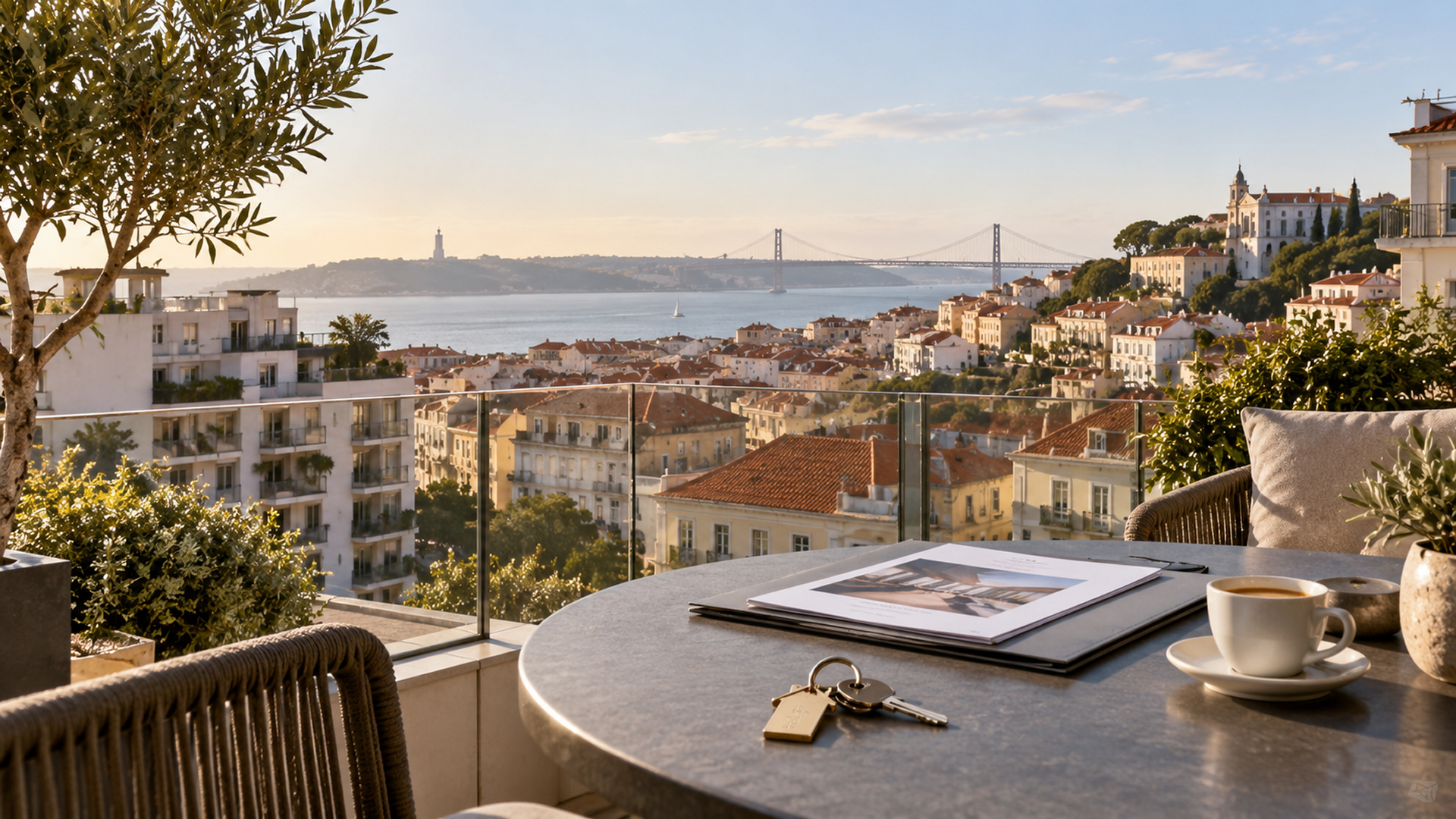
Cascais combines the atmosphere of a historic seaside resort with the practical functions of a permanent residential town. Beaches, restaurants, schools, markets, medical services, and transport links all form part of daily life.
A central apartment near the bay and a home in a quieter residential part of Cascais can offer different levels of noise, privacy, parking, and access to everyday services.
What Is It Like to Live in Cascais?
The historic centre is compact and animated. Small beaches sit beside pedestrian streets, restaurants, shops, the marina, Mercado da Vila, and the railway station. Much of an ordinary day can be managed on foot.
Cascais becomes livelier during summer, on sunny weekends, and when major events attract visitors. Restaurant terraces fill, parking becomes more difficult, and the beaches around the bay feel less private. Winter is quieter and reveals the town’s year-round residential character.
Beyond the historic centre, the atmosphere becomes increasingly residential. These streets receive fewer visitors and provide more variation in building type, available space, parking, and walking distance to the waterfront.
The exact location should be checked carefully when viewing a property. A home may appear close to the centre on a map but still involve a steep section, busy road, or inconvenient walking route. Access to a station, school, supermarket, or main road can matter more than the general distance from the historic centre.
Walking is practical in and around central Cascais, while buses and bicycles make other parts of the town accessible without driving. A car becomes more useful in residential streets farther from the centre, particularly for school journeys, larger shopping trips, or carrying sports equipment.
Residency Options for Living in Cascais
Cascais does not have its own immigration system. The right to settle in the town comes from Portuguese and European residence rules, so the appropriate route depends on nationality, income, work, studies, family circumstances, or qualifying investment activity.
| Applicant’s circumstances | Possible route |
|---|---|
| Citizens of the EU, EEA, or Switzerland | A residence visa is not required. Those remaining in Portugal for more than three months generally need to obtain a registration certificate from the relevant local authority. |
| Retirees and people supported by regular income | A Portuguese residence visa commonly known as the D7 may be relevant, subject to current income, accommodation, insurance, and documentation requirements. |
| Remote employees and independent professionals | Portugal has temporary-stay and residence routes for remote professional activity, commonly associated with the D8 visa. |
| Entrepreneurs and self-employed professionals | The residence route commonly called the D2 may apply to a planned business, investment project, independent profession, or service activity in Portugal. |
| Employees, students, researchers, and qualifying family members | Separate residence routes exist for employment, education, research, and family reunification. |
| Applicants making a qualifying investment | The Residence Permit for Investment Activity, or ARI, remains available for specific forms of investment. Purchasing residential property in Cascais does not by itself qualify an applicant for this programme. |
A visa, a residence permit, and property ownership are separate matters. Buying or renting a home may help establish accommodation, but it does not automatically create a right to live in Portugal.
Requirements and procedures can change. Applicants should verify the current Portuguese immigration rules before making travel, housing, or financial commitments.
Renting and Buying Property in Cascais
Housing ranges from historic townhouses and central apartments to modern condominiums and detached homes. The practical choice is often between walkability, outdoor space, parking, sea exposure, and proximity to the centre.
Central Cascais suits people who want beaches, restaurants, shops, and the station close by. Older buildings may have limited parking, small lifts, or no lift.
Gandarinha and Guia combine residential buildings with access to parks and the coastline. Bairro do Rosário has a more established residential atmosphere and a mixture of apartment buildings and local amenities. Torre is less tourist-oriented, although the distance to the centre and preferred services should be checked from the property itself.
A coastal property should be assessed beyond its appearance and view. During a viewing, check:
- signs of condensation, dampness, or repeated repainting;
- the effect of salt air on shutters, window frames, balcony fittings, and exterior metalwork;
- exposure to wind, afternoon sun, and shade;
- ventilation, glazing, and drainage;
- the actual route to the station, supermarket, school, or beach;
- parking availability and dependence on a car.
Foreign residents comparing real estate in Portugal can explore properties in Cascais.
Things to See and Do
Many of Cascais’s best-known places form part of a natural route through the town. A walk can begin beside the bay, continue past the marina and the walls of the Cascais Citadel, and reach the museum district without requiring a car.
Casa das Histórias Paula Rego presents the work of the Portuguese-British artist in a distinctive modern building. Nearby, the Museu Condes de Castro Guimarães occupies an ornate revivalist palace beside the water.
Next to the museum, Parque Marechal Carmona provides mature trees, lawns, gardens, play areas, and shaded paths that create a quieter contrast with the seafront. For families and permanent residents, the park is less an occasional sightseeing stop than a regular place for walking, playing, or meeting friends.
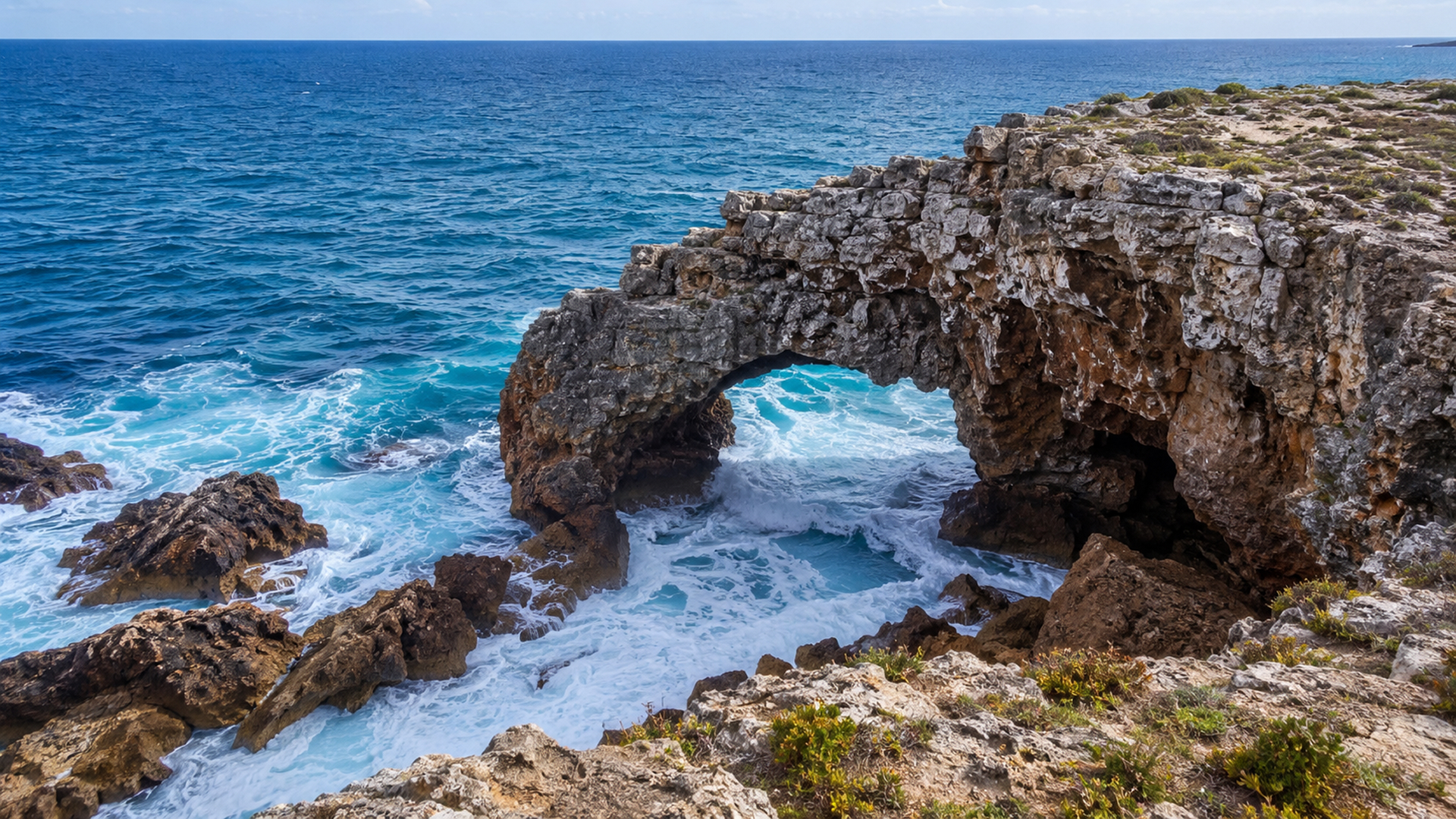
From the park, the coastal route continues to Boca do Inferno. Here, Atlantic waves enter a natural opening in the cliffs, creating dramatic sound and spray.
Cascais’s small urban beaches are integrated into the town. Their central position makes them easy to include in a walk or a short break by the water.
Food and Dining
Fish and seafood are central to the local dining scene. Traditional dishes and products commonly found in Cascais include:
- santola suada, prepared crab served in its shell;
- percebes, or goose barnacles;
- salada de polvo, a chilled octopus salad;
- grilled robalo and dourada;
- arroz de marisco;
- clams and other Atlantic shellfish.
Availability changes with the season and the day’s catch. National Portuguese dishes, including caldo verde, bacalhau, grilled meats, cozido à portuguesa, and pastéis de nata, are also widely available.
The most visible restaurants cluster around the historic centre, marina, and waterfront. They are convenient and atmospheric, although many cater primarily to visitors. Quieter streets away from the busiest part of the seafront feel more connected to everyday residential life.
Mercado da Vila remains one of the town’s main food landmarks. Its stalls sell produce, fish, flowers, and other goods, while the surrounding spaces also host food-related and community events.
The town’s international population is reflected in its dining scene. Portuguese pastelarias and neighbourhood lunch spots sit alongside brunch cafés, vegetarian restaurants, sushi bars, and other international options. Plant-based and gluten-free choices are available, although the range varies between establishments.
For permanent residents, the most useful food discoveries are not always the most prominent restaurants. A convenient bakery, a reliable prato do dia, or a familiar neighbourhood café can become more important than a waterfront dining room.
Expat Life and Community
Cascais has a well-established international population, so newcomers do not have to search far for English-speaking contacts. Schools, professional communities, sports, and cultural activities provide natural opportunities to meet people.
Outdoor activities play a particularly important social role. Sailing, tennis, cycling, running, and other sports bring together Portuguese residents and people who have moved from abroad. Families also build connections through schools, neighbourhood parks, and children’s activities.
English is common in hospitality and in many businesses serving foreign residents. It makes the transition easier but can also create an international circle with limited contact with Portuguese life.
Learning European Portuguese changes that experience. It helps with neighbours, local contractors, administrative matters, school communication, and small daily interactions that rarely take place inside formal expat networks.
Social life in Cascais is centred more on restaurants, outdoor activities, cultural events, and family routines than on extensive nightlife.
Climate in Cascais
Cascais has a Mediterranean climate influenced by the Atlantic Ocean. Summers are warm and generally dry, while winters are mild and wetter. The coastal position moderates some of the extreme summer heat experienced farther inland.
Summer daytime temperatures frequently remain comfortable enough for walking and outdoor activities, although exposed streets and apartments receiving strong afternoon sun can still become hot. Sea breezes provide some relief but can also make balconies and terraces noticeably windy.
Spring and autumn are often pleasant, with milder temperatures and fewer visitors than during the height of summer. Weather can nevertheless change quickly near the coast, particularly when wind and cloud arrive from the Atlantic.
Winter brings more rain, cloud, wind, and humidity, but prolonged severe cold is uncommon. The difference between the outdoor temperature and conditions inside a poorly insulated home can be significant. Weak ventilation, inefficient glazing, and limited heating may leave an apartment feeling cold or damp.
Conditions also vary within Cascais. The bay and nearby central streets are relatively sheltered, while properties closer to the exposed cliffs experience stronger wind and more salt in the air.
The sea remains cool even during hot weather. Beaches around the bay can be calmer for swimming, although water conditions still depend on wind, tide, and swell.
Anyone hoping to use a balcony or terrace regularly should check its orientation, wind exposure, sunlight, and shade. A coastal view does not necessarily mean that the outdoor space will be comfortable throughout the year.
Pros and Cons of Living in Cascais
| Advantages | Disadvantages |
|---|---|
| Beaches, parks, museums, and coastal paths are integrated into the town | The centre and urban beaches become crowded during summer and sunny weekends |
| The central station and local transport support many journeys without a car | Car dependence increases in residential areas farther from the centre |
| The international population helps newcomers build a social circle | Relying only on English can keep residents separate from Portuguese community life |
| Schools and everyday services are available within Cascais | Journeys across the town can involve traffic during busy periods |
| Apartments, townhouses, condominiums, and detached homes support different lifestyles | The property market is competitive, particularly near the centre and coastline |
| Mild weather allows outdoor activities during much of the year | Atlantic wind, cool water, winter humidity, and salt exposure do not suit everyone |
| Central Cascais supports a walkable routine with shops and services nearby | Larger homes and quieter locations are frequently more dependent on a car |
| Restaurants, cultural venues, and outdoor activities provide year-round options | Local employment and late-night entertainment are more limited than in a large city |
Cascais works particularly well for people who want the coast to influence everyday life while retaining access to shops, schools, transport, cultural activities, and other practical services. Families, remote professionals, retirees, and residents interested in outdoor activities can find a strong combination of convenience, nature, and community.
It is less convincing for someone seeking dense urban nightlife, a broad local employment market, or a large detached home that remains fully convenient without a car. It may also disappoint buyers who expect every property in Cascais to be within walking distance of the beach or historic centre.
A useful preliminary stay should reproduce the intended routine. Travel to work or school, shop for groceries, return home after dark, and visit during less favourable weather. The lively centre should also be compared with the specific residential area under consideration.
Cascais is easy to admire as a destination. Choosing it as a home requires a more precise decision: whether a particular property and its surroundings can support an ordinary week throughout the year.
This article provides general information and does not constitute legal, immigration, financial, medical, or real estate advice. Immigration requirements and individual obligations depend on nationality, personal circumstances, and current Portuguese law.